Semaglutide
Semaglutide (CAS 910463-68-6; MW 4113.6 g/mol) is a 29-amino acid GLP-1 receptor agonist featuring C18 fatty diacid acylation for albumin binding and once-weekly dosing. FDA-approved for type 2 diabetes (Ozempic) and obesity (Wegovy), it represents the most extensively studied GLP-1 agonist with tens of thousands of subjects across multiple Phase 3 trials. STEP trials demonstrated 15-17% mean weight reduction at 68 weeks, while SELECT trial showed 20% cardiovascular risk reduction. The peptide drives glucose-dependent insulin secretion, glucagon suppression, delayed gastric emptying, and hypothalamic appetite signaling. With emerging data for Alzheimer's prevention (EVOKE trials) and the deepest clinical safety database of any peptide in this catalog, semaglutide is the reference standard for GLP-1 receptor research.
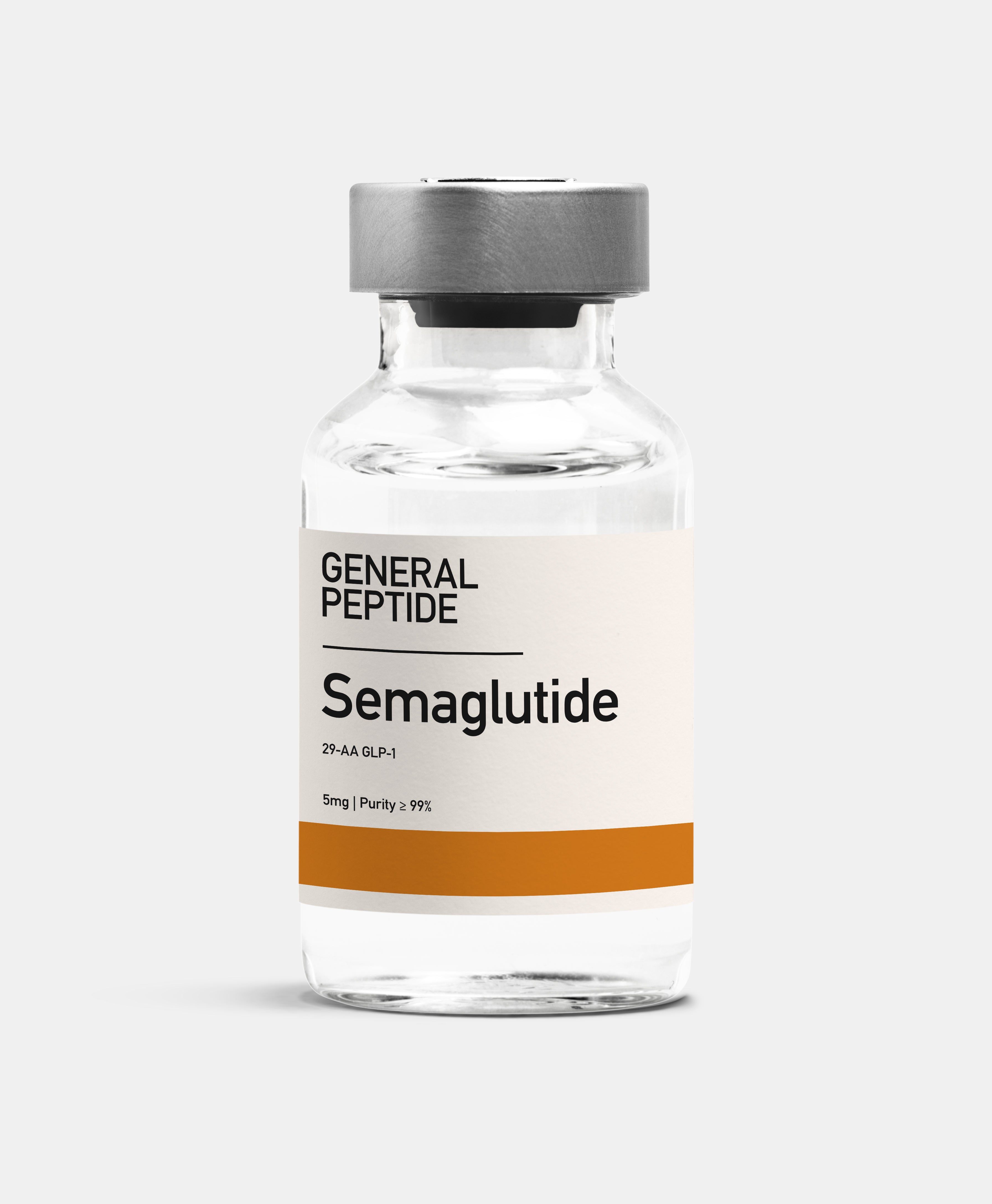
Semaglutide (CAS 910463-68-6; MW 4113.6 g/mol) is a 29-amino acid GLP-1 receptor agonist with a C18 fatty diacid acylation for albumin binding and once-weekly dosing. FDA-approved for type 2 diabetes (Ozempic) and obesity (Wegovy), it represents the most extensively studied GLP-1 receptor agonist with the deepest clinical safety database — tens of thousands of subjects across multiple Phase 3 trials. The mechanism involves GLP-1R activation driving glucose-dependent insulin secretion, glucagon suppression, delayed gastric emptying, and hypothalamic appetite signaling. STEP trials demonstrated that the 2.4 mg/week dose achieved ~15-17% mean weight reduction at 68 weeks. OASIS 4 (2025) showed oral semaglutide 7.2 mg/week achieved weight loss comparable to high-dose subcutaneous versions. Semaglutide also demonstrated cardiovascular risk reduction (SELECT trial, 20% reduction in MACE) and emerging data for Alzheimer's disease prevention (EVOKE trials). Among the lowest side-effect risk profiles in the GLP-1 class with the most human safety data of any research peptide in this catalog.
This long-acting GLP-1 analog features strategic modifications including substitution of alanine with alpha-aminoisobutyric acid (Aib) at position 8 to confer DPP-4 resistance, and attachment of a C18 fatty diacid side chain at Lys34 via a linker for albumin binding. These modifications extend the half-life to approximately 7 days, enabling once-weekly administration while maintaining potent GLP-1 receptor activation.
In research applications, semaglutide demonstrates effects across multiple metabolic parameters including glycemic control, appetite regulation, body weight reduction, and cardiovascular protection. The peptide acts through central mechanisms in the hypothalamus and brainstem to reduce appetite and food intake, while peripheral actions enhance glucose-dependent insulin secretion and suppress glucagon release. Delayed gastric emptying contributes to enhanced satiety and reduced postprandial glucose excursions.
The extensive clinical trial program provides unparalleled human data for metabolic research, including the STEP program for obesity, SUSTAIN program for diabetes, SELECT for cardiovascular outcomes, and emerging EVOKE trials for neurodegenerative disease. This comprehensive safety and efficacy database makes semaglutide the reference standard for GLP-1 receptor agonist research.
| Compound | MW / Formula | CAS No. | Sequence / Structure | Receptor / Target |
|---|---|---|---|---|
| Semaglutide | C187H291N45O59 / 4113.6 g/mol | 910463-68-6 | 29-AA GLP-1 analog; C18 fatty diacid at Lys34 via linker; albumin-binding | GLP-1R agonist; glucose-dependent insulin secretion; appetite suppression; delayed gastric emptying |